 Native iOS + Android · Moovel / Mercedes · 2016
Redesigning a transit
ticketing app
Moovel's mobile ticketing app had served transit riders for four years as a web app. Combined with an ageing codebase and mounting usability problems, we had the green light to rebuild from the ground up — native iOS and Android, end to end.
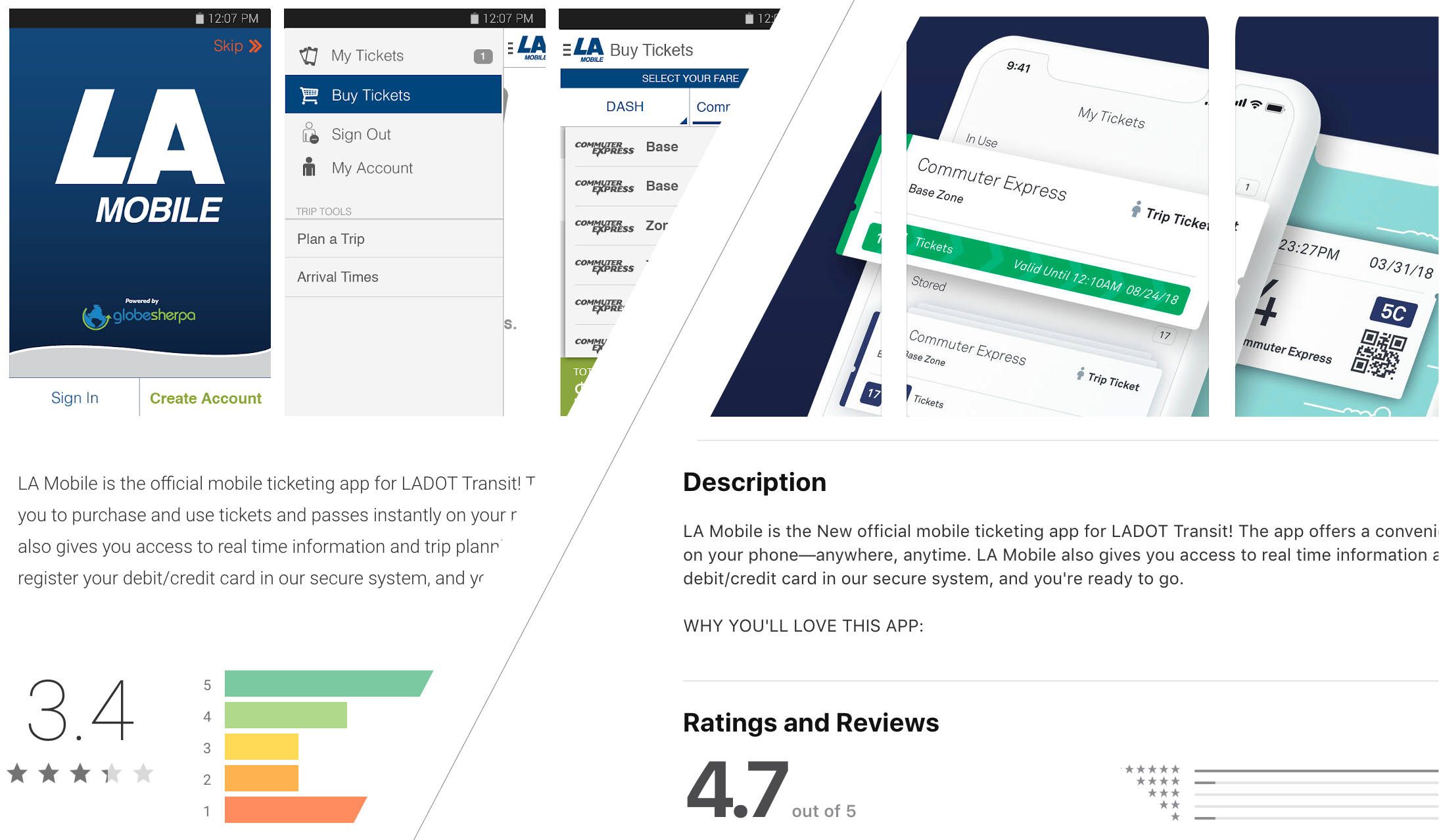
Four years of technical debt and frustrated users
Moovel North America partners with transit agencies to provide iOS and Android mobile ticketing for riders alongside backend tools for operators. The existing app was a web app wrapped in a native shell. Navigation was buried, the purchase process was too long, accidental ticket activations were generating support calls, and the app lacked modern payment options that riders expected.
App Store ratings reflected the frustration. We had leadership support to rebuild from scratch. My role was to ensure that rebuild was grounded in real user behaviour, not assumptions.
Research processFour methods, one coherent picture
I facilitated workshops with customer service teams to surface the top 10 user pain points. Dot voting was used to prioritise the most impactful issues, building empathy for both users and support staff simultaneously.
I ran journey mapping sessions with current app users, inviting them into the office to walk through their complete commuting experience. This revealed touchpoints well beyond the app that were affecting the overall journey.
I tested prototypes with 60+ users both remotely and in-person. Data was collected in EnjoyHQ after UserTesting.com sessions, with AI-assisted pattern analysis supplementing manual review.
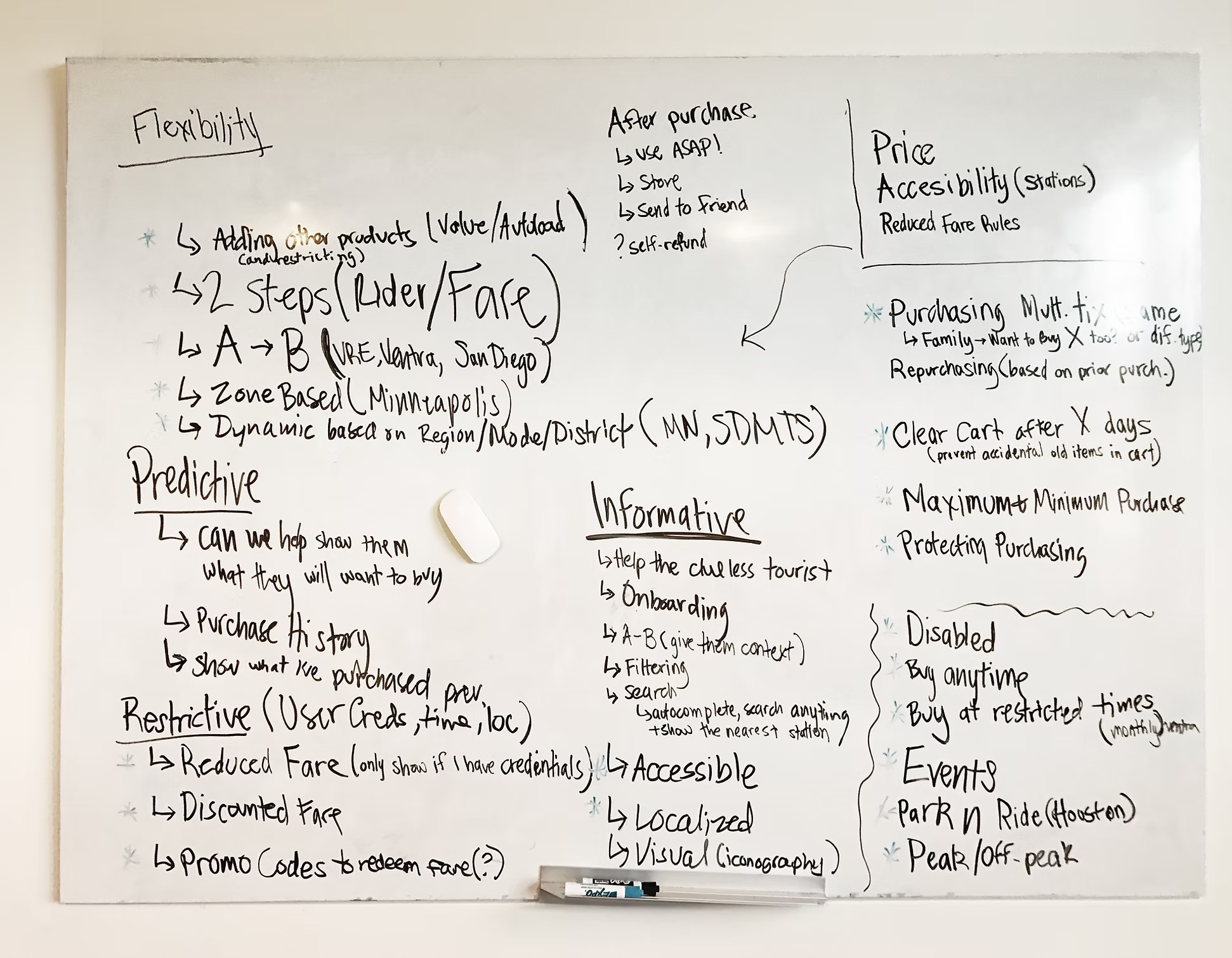
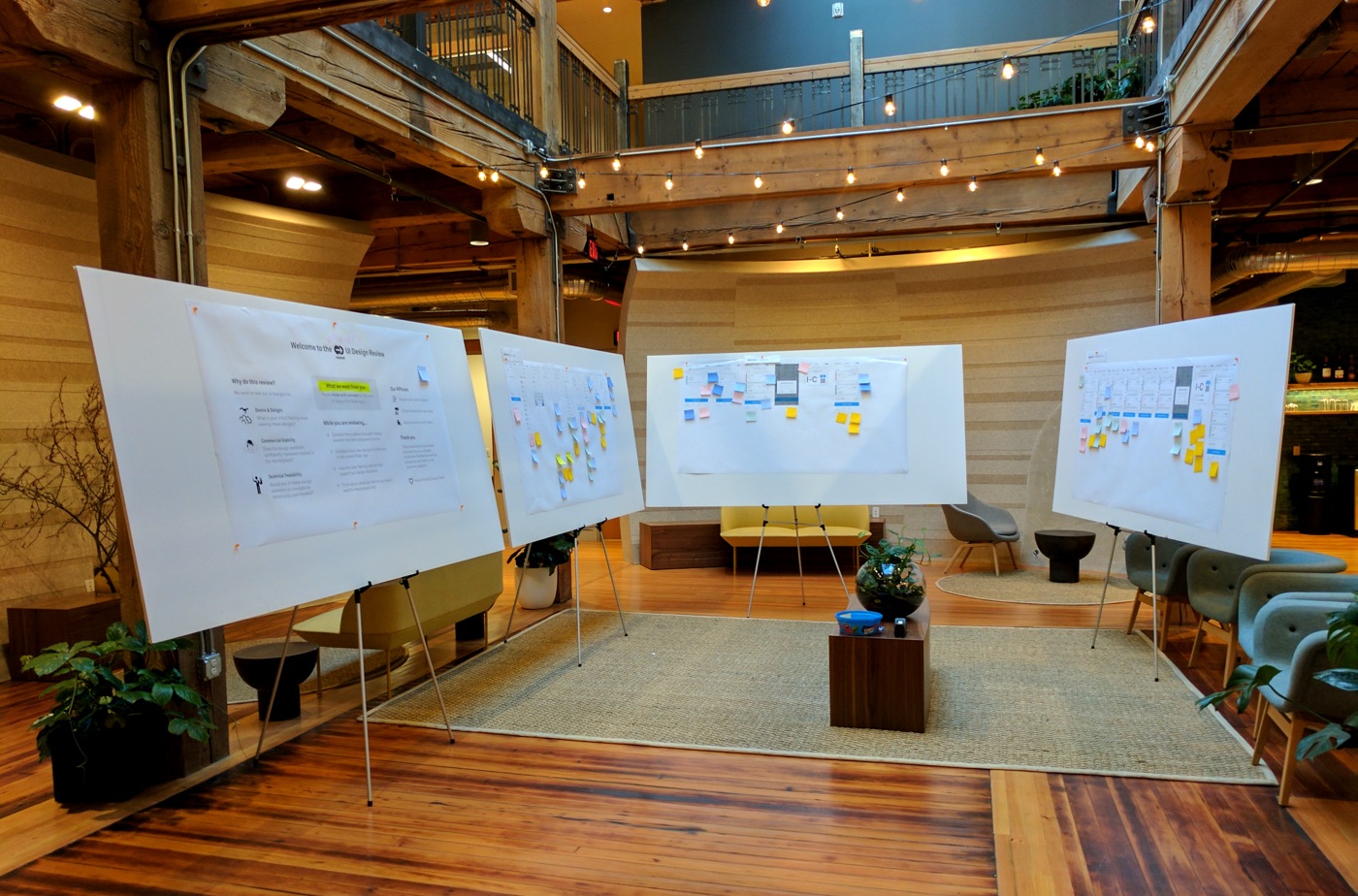
I organised a strategic design review using large foamcore boards placed in high-traffic office areas, a deliberate design trap that drew engineers and stakeholders into the process organically.
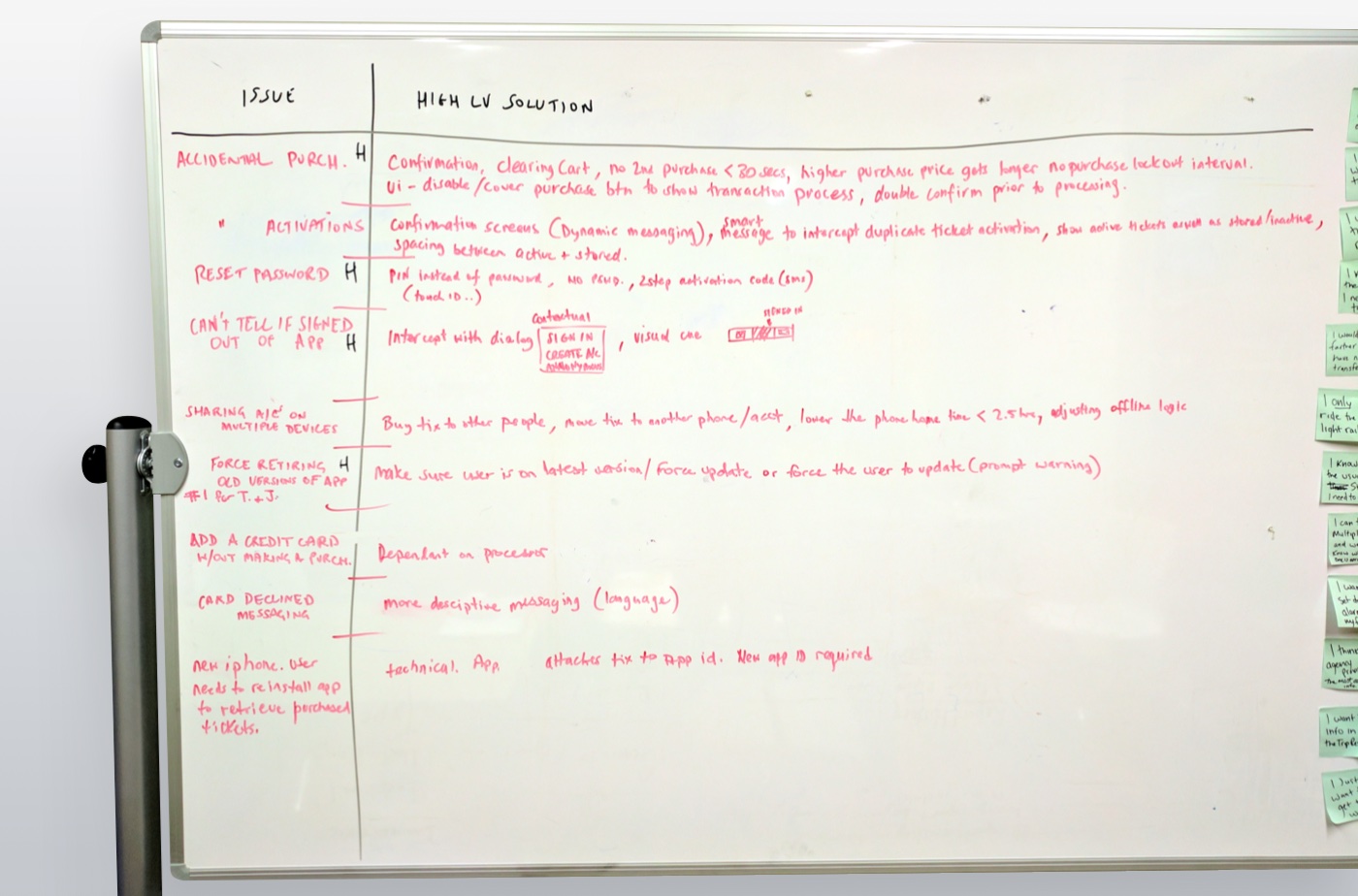
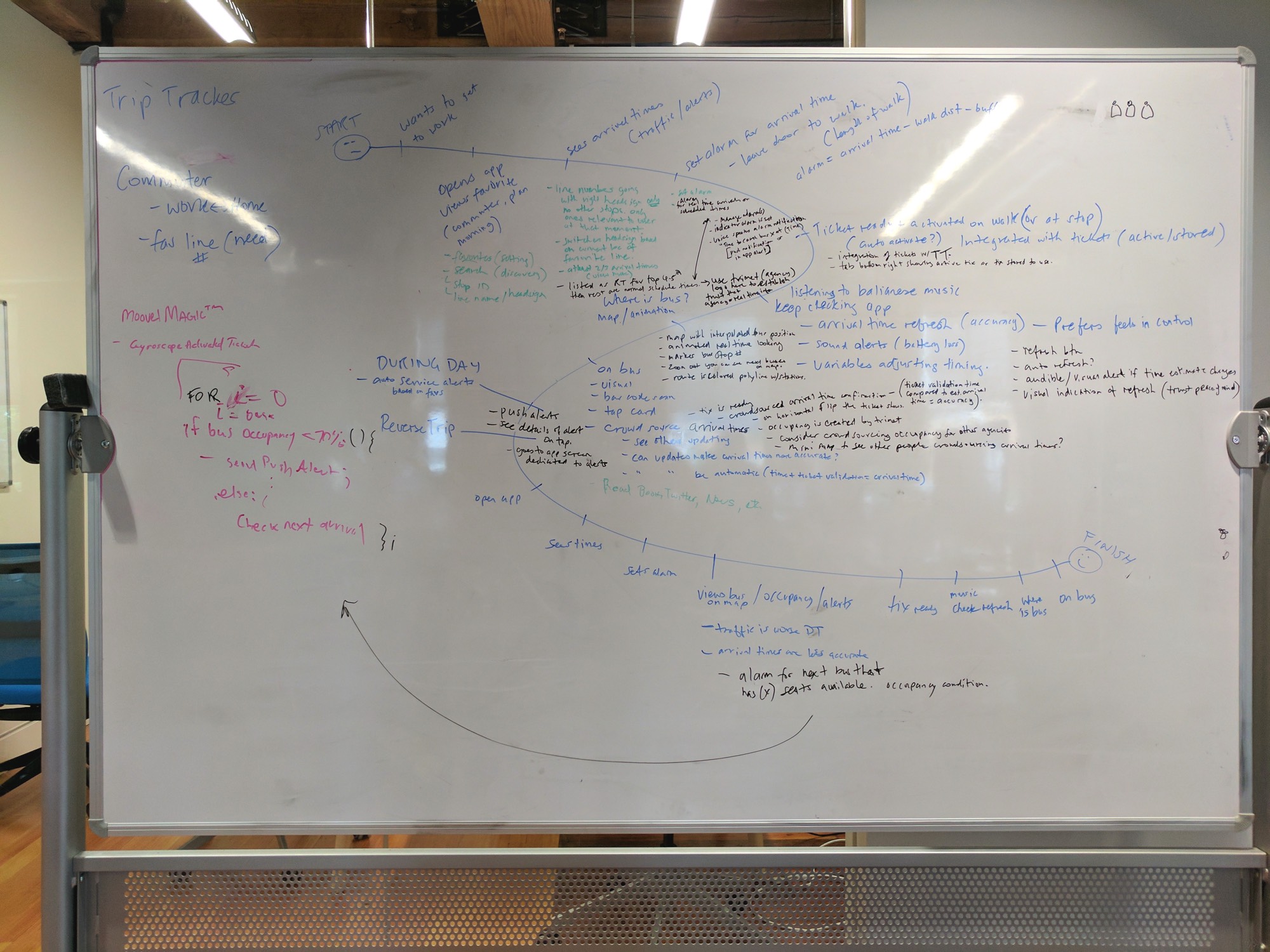
Four problems, four targeted fixes
Hamburger navigation buried key actions, doubled the taps needed to move between Buy Tickets and My Tickets, and was out of comfortable thumb reach.
Simpler navigationReplaced with a tab bar within thumb reach. Consolidated Buy Tickets and My Tickets into a single Tickets tab, aligning with user mental models.
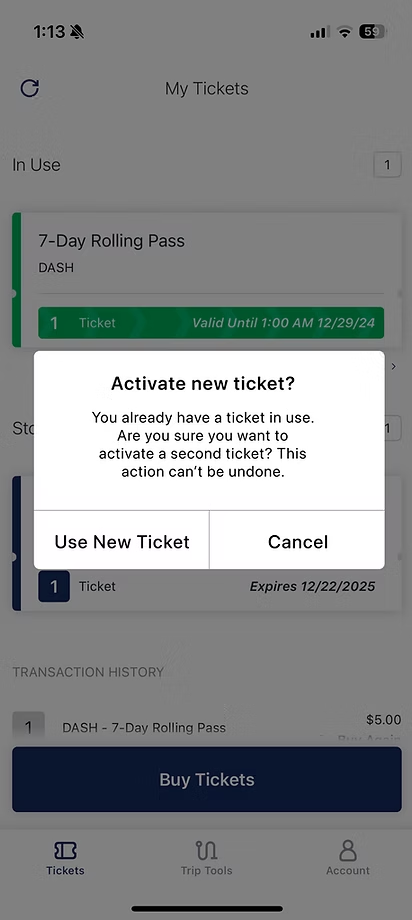
Users were accidentally activating stored tickets and calling customer support — one of the top 10 pain points identified in workshops.
Protecting purchasesMade the active ticket visually prominent with colour and animation. Added a confirmation alert when a user tries to activate a stored ticket while one is already in use.
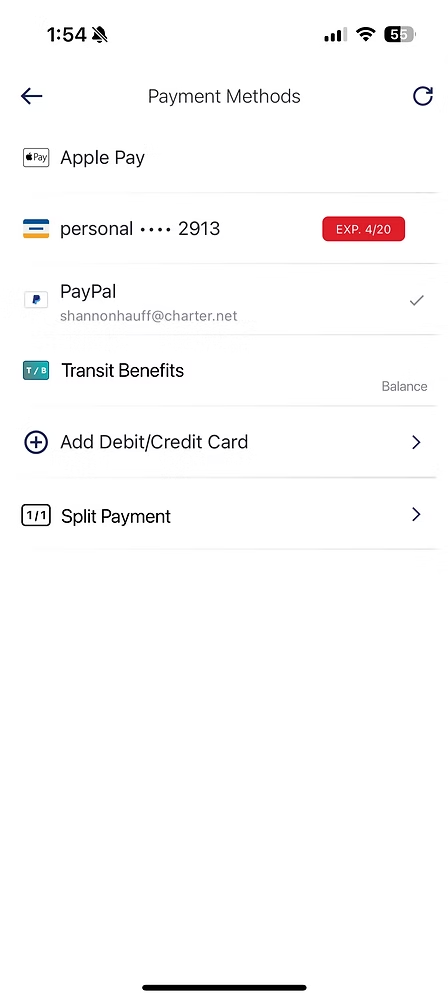
Many riders received employer transit benefits but had no way to use their full balance. Revenue opportunity was being left on the table.
Better payment optionsAdded Apple Pay, Google Pay, and a new split payment method allowing riders to apply their full transit benefits balance to a purchase.
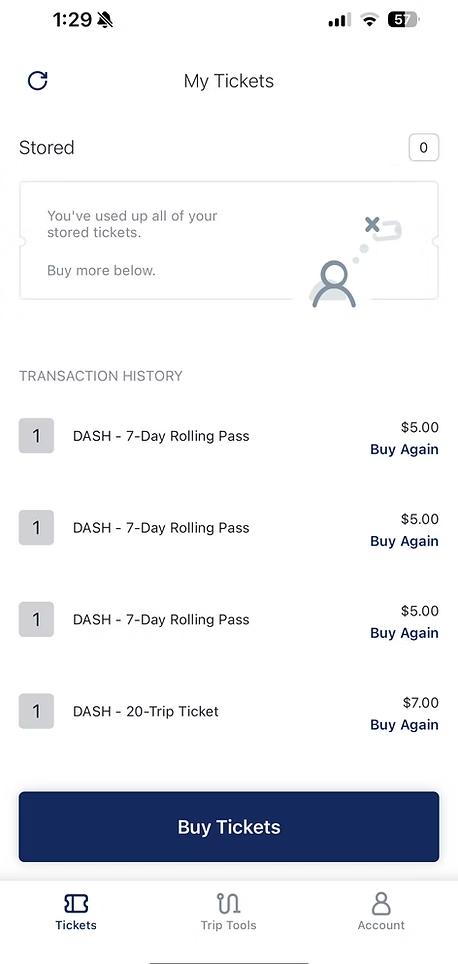
Many users purchased tickets while boarding, making the long purchase flow a bottleneck. Riders also bought the same ticket on routine journeys but had to start from scratch each time.
Buy Again patternA single button that pre-loaded the last purchased ticket into the cart, reducing purchase time from over 25 seconds to under 5 seconds.
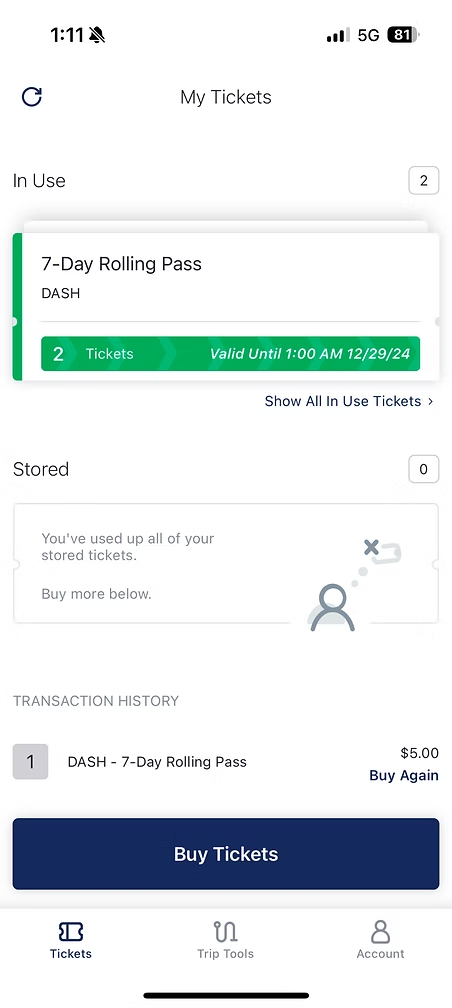
Multi-step purchase flow
One tap to pre-load cart
National expansion within months of launch
Within the first month of launch the app gained 1.3 App Store stars. Revenue per session increased by 38%, driven by the improved purchase flow and the new split payment method. The redesign enabled Moovel to expand nationally, overtaking competitors in key transit markets.
"The foamcore board review became one of the most efficient stakeholder alignment tools I have used. Engineers engaged with the designs on their own terms, in their own time, and the feedback quality was significantly higher than a formal presentation."
User-centred research and design demonstrated measurable return on investment through revenue per session growth and App Store rating improvement.
The redesigned app enabled Moovel to scale nationally and overtake competitors in transit markets previously out of reach.
Identifying the transit benefits gap through research unlocked a revenue stream that had not previously existed in the product.
In addition to leading research and design, I mentored junior designers on the team throughout the project.
Want to chat more about this project?
I am happy to discuss the full research methodology, the stakeholder workshop approach, the EnjoyHQ synthesis process, or the competitive analysis that shaped the navigation decisions.
Send me an invite to chat